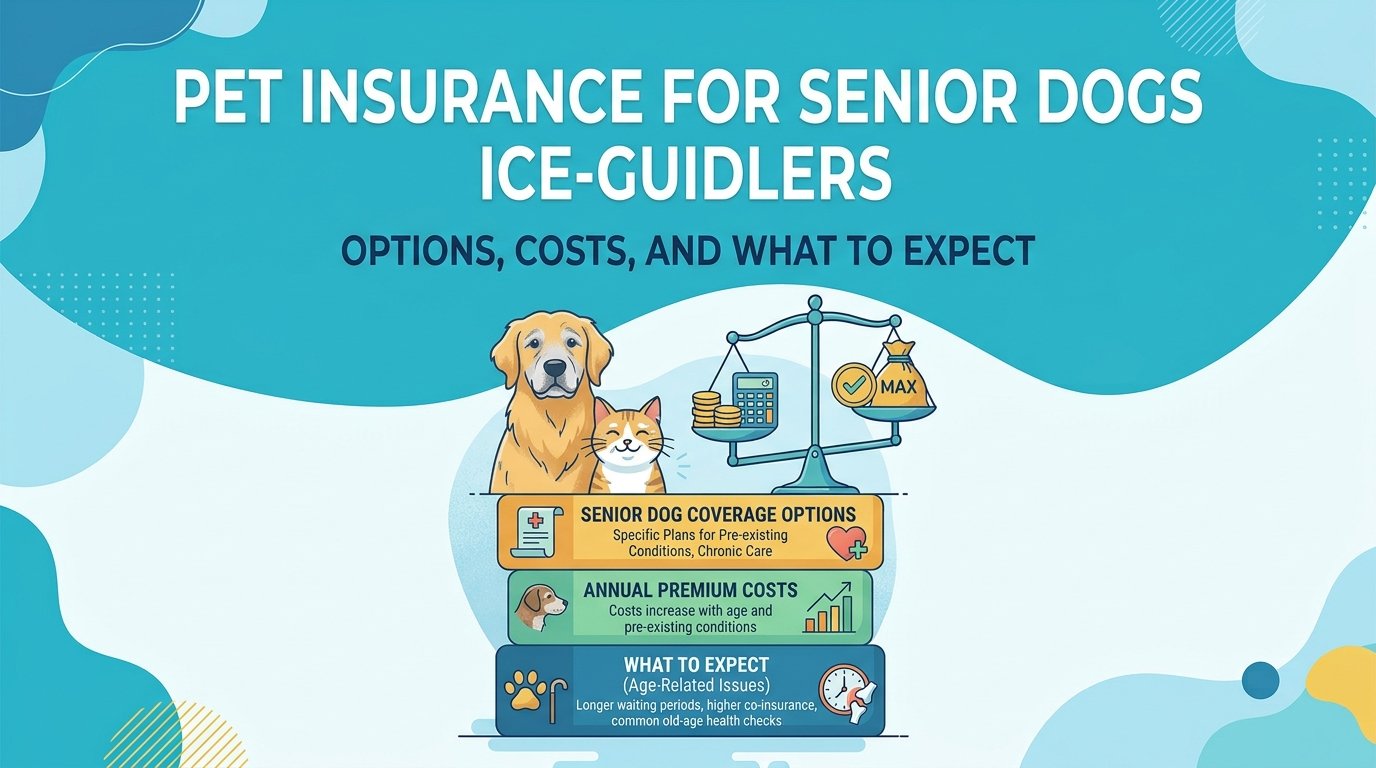
As dogs grow older, veterinary visits become more frequent and more complex. Arthritis, heart disease, dental problems, kidney issues, and cancer become more common. At the same time, many owners discover that pet insurance is harder to buy and more expensive for senior dogs. This guide explains what is realistic, what to look for, and how to protect your older dog without overspending.
When Is a Dog Considered a Senior?
The age at which a dog is considered senior depends on size and breed. Small dogs often reach senior status around age ten or later, while large and giant breeds may be considered seniors as early as six to eight years old. Insurers also have their own age definitions for pricing and enrollment, so a dog may be treated as senior by an insurer at a different age than your veterinarian would use.
Can You Buy Pet Insurance for an Older Dog?
In many cases, yes. Some insurers have no upper age limit for enrollment, while others restrict new policies after a certain age. Even when enrollment is possible, there are usually important differences compared with insuring a young dog.
- Higher premiums. Older dogs are statistically more likely to need expensive care, so monthly prices are higher.
- Pre-existing condition exclusions. Conditions your dog already has, or shows signs of, will normally be excluded.
- Possible coverage limits. Some plans reduce benefits or impose additional restrictions for older pets.
- Waiting periods still apply. Illnesses that begin during the waiting period are generally treated as pre-existing.
Common Health Problems in Senior Dogs
Arthritis and Joint Disease
Osteoarthritis is one of the most common problems in older dogs. Treatment can include medication, supplements, weight management, physical therapy, and sometimes surgery. If your dog already has arthritis, it is likely to be excluded. However, a new orthopedic injury unrelated to the existing condition may still be eligible.
Heart Disease
Heart conditions become more common with age and often require ongoing medication, imaging, and monitoring. Coverage depends on whether the condition began after the policy was active.
Kidney Disease
Kidney problems can develop gradually and require long-term management, including diets, fluids, and regular testing.
Cancer
Older dogs have a higher risk of cancer. Diagnosis and treatment can be costly, including imaging, surgery, chemotherapy, or radiation. A policy that covers cancer is valuable if the disease develops after enrollment.
Dental Disease
Dental disease is widespread in senior dogs and can lead to infections and tooth extractions. Coverage differs, so ask whether dental illness is covered and what conditions apply.
Cognitive Changes
Some older dogs develop signs of cognitive decline, which can involve confusion, changes in sleep, and altered behavior. Treatments and supportive care may be included under certain policies.
Cost Considerations for Senior Dog Insurance
Premiums for older dogs can be several times higher than those for puppies or young adults. Breed and size matter too, since large breeds usually cost more to insure. Premiums often increase every year at renewal, and the increases can become significant in later life.
Because of this, owners of senior dogs should look at total value, not just the price tag. A plan that costs more but covers a wider range of new conditions can be more useful than a cheaper plan with many exclusions.
Ways to Make Coverage More Affordable
Choose a Higher Deductible
Increasing your deductible reduces the monthly premium. Choose a number you could comfortably pay if your dog needed care.
Lower the Reimbursement Rate
Selecting seventy or eighty percent instead of ninety can lead to noticeable savings while still protecting you from large bills.
Consider Accident-Only Coverage
If comprehensive coverage is too expensive or heavily restricted, an accident-only plan can cover injuries at a much lower cost. This is a reasonable compromise for some owners of older dogs.
Set a Realistic Annual Limit
Unlimited coverage costs more. A limit that reflects realistic costs for your area can reduce the premium while still providing meaningful protection.
Compare Multiple Insurers
Underwriting rules and pricing for older pets can differ greatly. Obtain several quotes using the same settings and read each plan’s exclusions carefully.
Alternatives and Complements to Insurance
Insurance is not the only way to prepare for the costs of senior dog care.
- A dedicated pet savings fund. Setting aside money each month builds a cushion for age-related care.
- Veterinary payment plans or financing. Some clinics offer structured payments. Read the terms carefully, including interest and fees.
- Preventive care. Regular exams, dental care, a healthy weight, and appropriate exercise can reduce certain risks.
- Discussing a care plan with your veterinarian. They can help you prioritize treatments and manage costs.
Checklist: What to Verify Before Buying for a Senior Dog
- Is there a maximum enrollment age?
- How is a pre-existing condition defined, and will your dog’s current issues be excluded?
- What are the waiting periods for accidents, illnesses, and orthopedic conditions?
- Does the plan cover chronic conditions that begin after enrollment?
- How do premiums change with age at renewal?
- Is there an annual or lifetime limit, and is it reasonable?
- Are diagnostics, prescriptions, and specialist visits covered?
- Is dental illness covered, and under what conditions?
The Value of Enrolling Earlier
If you have a younger dog, the best way to avoid the difficulties of senior coverage is to enroll early. A policy started in puppyhood or young adulthood can continue through the senior years, and conditions that begin while the policy is active can remain covered, according to the policy terms. Waiting until your dog is old often means more exclusions and higher prices. If your dog is already a senior, you can still do the best possible with the options available today.
Caring for a Senior Dog at Home
Insurance can help with costs, but daily care is what keeps an older dog comfortable. A few simple habits can make a real difference and may also help you notice problems early.
Keep Weight Under Control
Extra weight puts stress on joints, the heart, and other organs. Work with your veterinarian to choose a diet and portion size suited to your dog’s age and activity level.
Adjust Exercise
Senior dogs still benefit from movement, but shorter and gentler walks are often better than intense exercise. Consistent, low-impact activity helps maintain muscle and joint health.
Improve Comfort at Home
Orthopedic beds, non-slip rugs, ramps, and easier access to favorite spots can reduce strain on aging joints. Small changes can help an older dog feel more secure and comfortable.
Schedule More Frequent Checkups
Many veterinarians recommend exams at least twice a year for senior dogs. Regular bloodwork and physical exams can reveal changes before they become serious.
Talking With Your Veterinarian About Costs and Quality of Life
Caring for an older dog often involves decisions that combine health, comfort, and finances. A candid conversation with your veterinarian can help you plan.
- Ask which conditions are most likely for your dog’s age and breed, so that you can prepare financially.
- Request cost estimates for tests and treatments before agreeing to them.
- Discuss treatment options and their benefits, so that you can choose a plan that supports your dog’s comfort.
- Ask about generic medications, payment plans, and other ways to manage ongoing costs.
Your veterinarian knows your dog’s history and can guide you on what is realistic. Combine that advice with an understanding of your insurance coverage, and you will be better prepared to make decisions in your dog’s best interest.
Frequently Asked Questions
Will insurance cover my senior dog’s existing arthritis?
Typically not. Existing conditions are usually excluded. However, new accidents and unrelated illnesses may be eligible.
Is it too late to buy insurance for a ten-year-old dog?
Not necessarily. Many insurers still offer policies for older dogs, though with higher prices and exclusions. Compare quotes and read the terms to decide.
Do premiums keep increasing as my dog ages?
Yes, in most cases. Prices commonly rise at renewal, and increases can be larger in senior years. Ask how the insurer sets renewal prices.
Is it better to save money than buy insurance for an older dog?
It depends on your finances. If you have a large reserve for unexpected bills, self-insuring may work. If a sudden expense would create hardship, partial coverage can still help.
Common Questions Senior Dog Owners Ask Insurers
Before you enroll an older dog, a short phone call or chat with the insurer can clear up important points. These questions help you understand what you would really receive.
Will you review my dog’s records before approving the policy?
Some insurers ask for a recent veterinary exam or medical history for older pets. Knowing this in advance helps you schedule the visit and avoid delays.
How do you treat conditions that begin after the waiting period?
Ask whether chronic conditions that start after coverage is active remain eligible in future years, and whether there are per-condition or lifetime limits that could reduce payouts over time.
What happens to my premium as my dog gets older?
Request a clear explanation of how renewal prices are calculated, and whether there are caps, age-based tiers, or other factors that influence future increases.
Can I adjust my coverage later?
If your finances change, you may want to raise the deductible or lower the reimbursement rate to reduce costs. Ask what changes are allowed at renewal and how they affect existing conditions.
Writing down the answers and keeping them with your policy documents gives you a useful reference if questions arise later.
Final Thoughts
Insuring a senior dog involves tradeoffs, but it is often still possible and can be useful. Expect higher premiums and exclusions for existing conditions, focus on protecting against new accidents and illnesses, and compare multiple plans carefully. Pair coverage with preventive care and a savings plan, and talk with your veterinarian about the best way to support your dog through the later years.
This article is for general information only. It is not financial, legal, or veterinary advice. Policy terms vary by insurer, so review official documents and consult your veterinarian about your dog’s health.